
Selling Your Home – Short Sale
What Is a Short Sale?
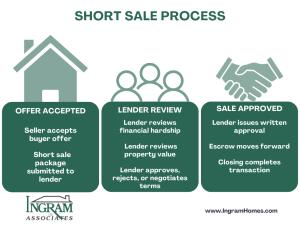
A short sale occurs when a homeowner sells a property for less than the remaining mortgage balance. In this situation, the lender must approve the transaction before closing.
Although you can list the home normally, the lender controls the final decision. Therefore, documentation and communication matter.
Because the sale price does not fully cover the loan, the lender may agree to accept less than the total amount owed. However, approval depends on financial hardship and loan terms.
When Does Foreclosure Begin?
Foreclosure usually begins after a borrower misses three consecutive mortgage payments. At that point, the lender records a notice of default.
If the delinquency continues, the lender may request a trustee sale or pursue judicial foreclosure. During this process, the property is scheduled for public auction.
However, borrowers often have time to cure the default by paying overdue amounts before the sale date. Acting quickly can preserve options.
Because foreclosure severely damages credit, most homeowners attempt alternatives first.
How Long Do Foreclosures Stay on a Credit Report?
Credit Impact of a Short Sale
Foreclosures and bankruptcies typically remain on a credit report for seven to ten years. However, lenders may consider borrowers sooner if they reestablish good credit.
Additionally, lenders review the circumstances surrounding financial hardship. For example, job loss or medical hardship may receive more flexibility than excessive personal debt.
Therefore, rebuilding credit early improves future borrowing opportunities.
How Does a Home Enter Foreclosure?
A home enters foreclosure when mortgage payments remain unpaid for several months. Typically, lenders begin proceedings after three missed payments.
First, the lender issues a notice of default. If the debt remains unresolved, the lender proceeds toward a trustee sale.
Unless the borrower satisfies the debt or negotiates an alternative, the property will be sold.
Because timelines vary by state, confirm local procedures with your lender.
Can You Sell for Less Than Your Mortgage?
Yes, you can sell for less than what you owe through a short sale. However, lender approval is required.
If the loan was sold on the secondary market, additional authorization may be necessary. For example, loans owned by Freddie Mac or Fannie Mae often require separate review.
In addition, if private mortgage insurance applies, the insurer may also participate in approval decisions.
Since multiple parties may review the transaction, short sales often take longer than traditional sales.
Selling a Slow Mover in a Down Market
Even in a declining market, price and condition remain critical. Lowering the price may generate renewed interest. Additionally, correcting cosmetic defects can strengthen buyer confidence.
Furthermore, strong exposure matters. Open houses, MLS listings, online marketing, and professional signage all increase visibility.
If you lack equity and must sell quickly, you may discuss a short sale or deed in lieu of foreclosure with your lender. However, these options require careful evaluation.
Often, adjusting the price remains the simplest strategy.
Short Sale vs Foreclosure
A short sale involves cooperation between homeowner and lender. In contrast, foreclosure places control in the lender’s hands.
Because foreclosure has long-term credit consequences, many homeowners pursue a short sale first.
For foreclosure prevention guidance, review resources from the Consumer Financial Protection Bureau.
foreclosure prevention resources
https://www.consumerfinance.gov/
Final Thoughts on Short Sales
A short sale provides a structured option when you owe more than your home’s market value. However, lender approval, documentation, and timing affect the outcome.
If you face financial pressure, communicate with your lender early. In addition, consult a qualified real estate professional.
You may also want to review our guide on selling at a loss to understand alternative strategies.